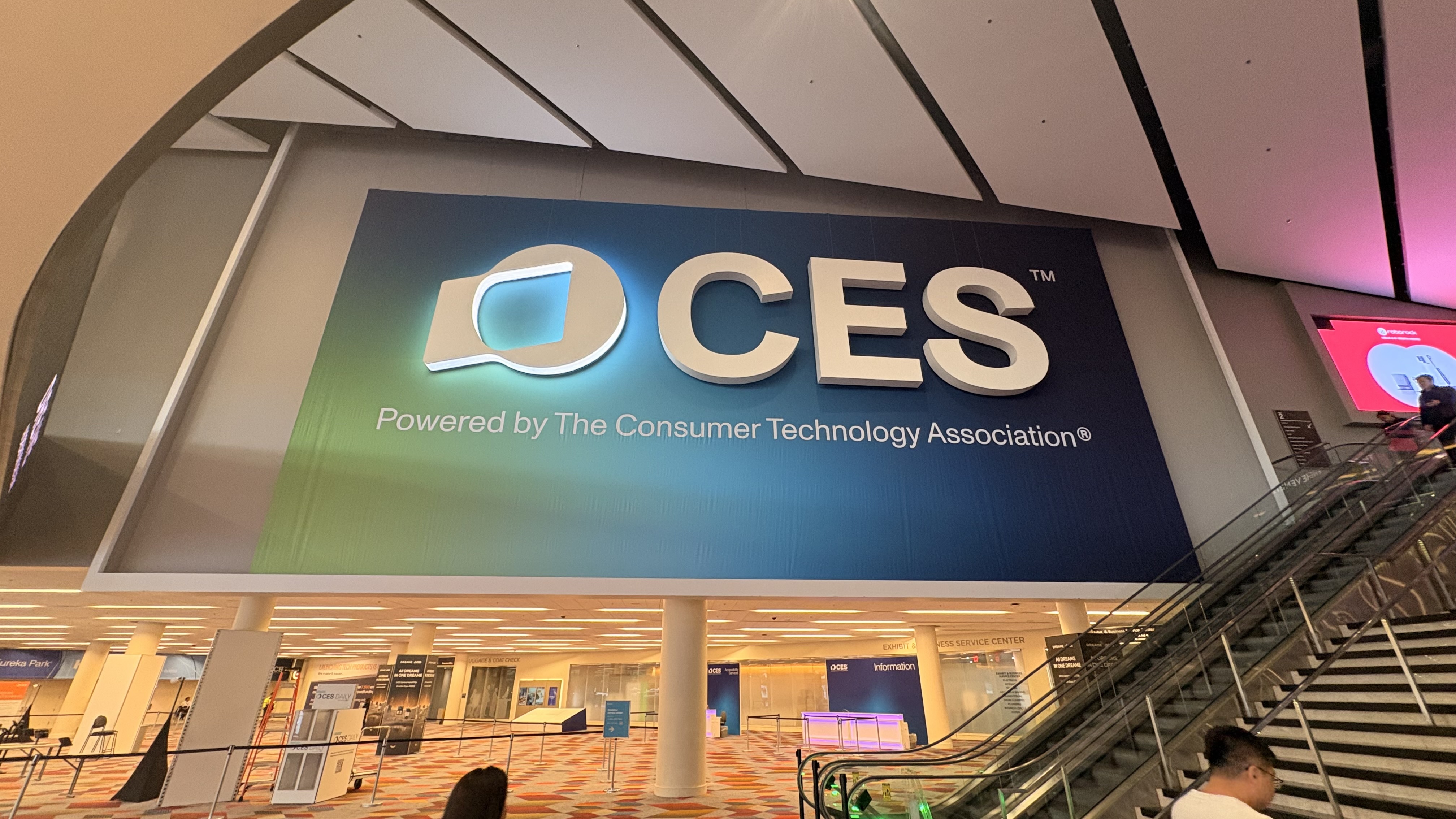
The Consumer Electronics Show continues to stand, also in 2026, as the place where technology, business, and culture converge and influence one another. CES is no longer simply a showcase for product launches or futuristic concepts: it has become a real-time barometer of global innovation, where emerging technologies are tested against market readiness and narrative credibility. This is where innovation stops being a promise and becomes positioning, momentum, and measurable impact.
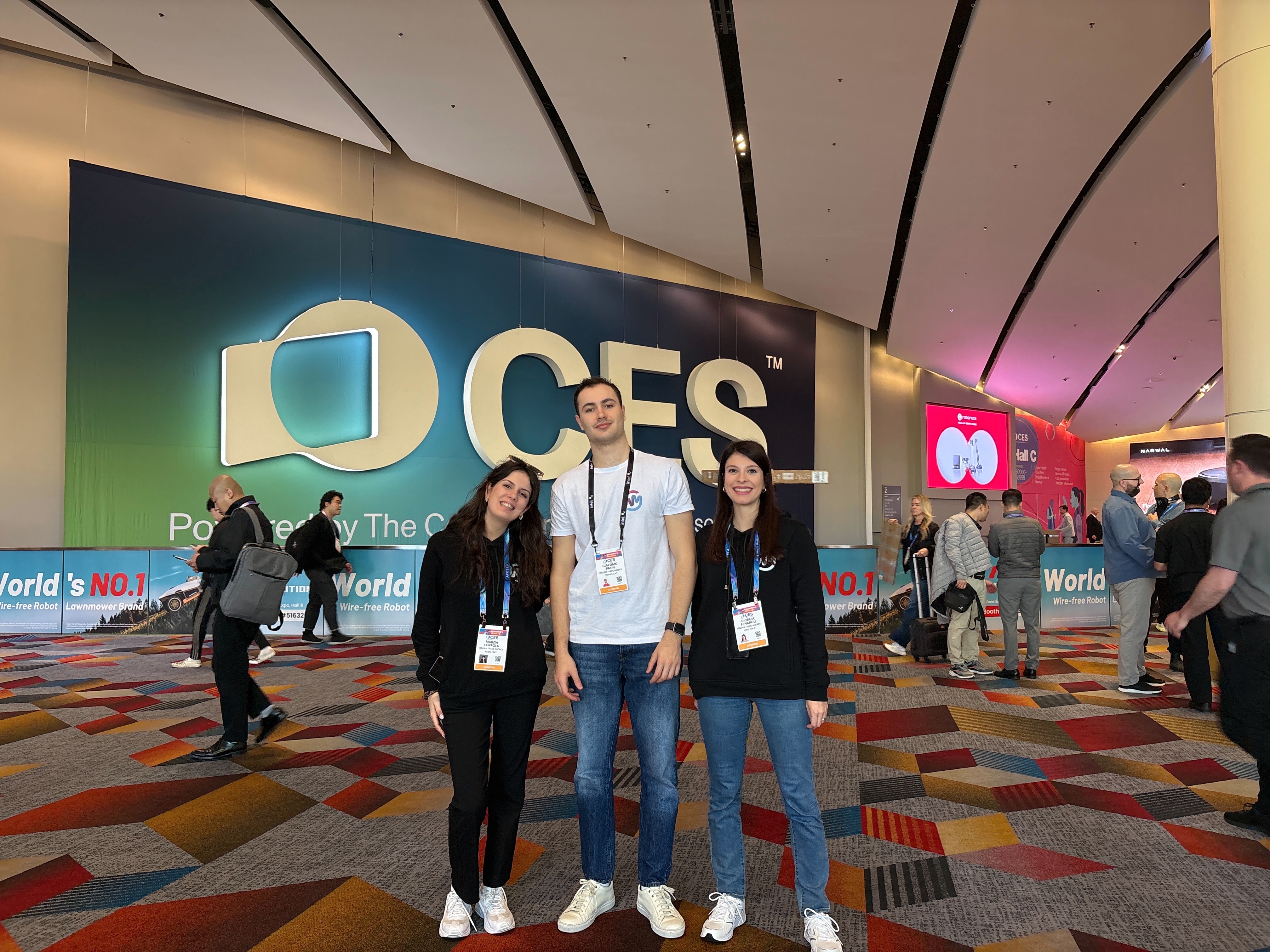
After the experience gained at CES 2025, the MY TWIN Communication team will once again be on the ground at CES 2026, taking place January 6–9 in Las Vegas. Our conviction is stronger than ever: to truly understand innovation, you need to experience it where it takes shape. CES offers a privileged vantage point to observe how major technology platforms, fast-moving startups, investors, and international media collectively define what will matter in the months and years ahead. It is an environment where hype is quickly filtered and only what is ready to scale truly stands out.
The numbers from the 2025 edition — more than 142,000 attendees, over 4,500 exhibitors, 158 countries represented, and more than 6,500 accredited journalists — reflect the scale of the event, but not its full significance. CES has evolved into a global decision-making hub, where scale is not just quantitative. It becomes a multiplier for visibility, partnerships, and narrative traction, especially for brands capable of translating complex innovation into clear, media-ready stories.
CES 2026 reinforces a paradigm shift already well underway: the transition from primarily digital innovation to operational, embodied intelligence. Artificial intelligence is no longer a supporting feature, but a true product layer, embedded into devices, workflows, and infrastructures. Increasingly on-device and edge-based, AI is now designed not only to analyze, but to act in the physical world. This evolution is accelerating the rise of what many define as Physical AI, where AI, robotics, sensing technologies, and edge computing converge to deliver tangible outcomes across industrial, healthcare, logistics, and service environments.
Within this landscape, humanoid robotics is emerging as one of the most closely watched frontiers. No longer a spectacle or a research experiment, humanoid robots are moving decisively toward service and deployment, driven by concrete advances in perception, manipulation, simulation-based training, and safety-by-design. Robotics is increasingly framed as infrastructure, not exception — a productivity layer designed to operate alongside humans, improving efficiency, safety, and accessibility.
Alongside robotics, another core pillar of Intelligent Transformation is the evolution of intelligent vision. Smart glasses, XR, hardware, software, and applications are converging into platforms that extend human perception and redefine how people interact with information and environments. The shift from devices to platforms marks a cultural turning point: smartphones, laptops, vehicles, TVs, and smart glasses are no longer isolated products, but interconnected nodes within continuous ecosystems.
The second major macro-trend shaping CES 2026 is Longevity, which moves the focus from efficiency to quality of life. Technology is increasingly positioned as a tool to help people live longer and healthier lives. Precision medicine, remote care, and AI-enabled health platforms show how digital health is moving beyond wellness into clinical relevance. Wearables and monitoring systems are becoming tools for triage, management, and empowerment, with direct implications for prevention, mental health, accessibility, and scalable care models.
This vision extends into Smart Living, where AI transforms the home into an adaptive hub integrating health, energy, security, and comfort. The home becomes a responsive system, capable of personalizing environments and anticipating needs rather than merely reacting to them.
The third macro-trend, Engineering Tomorrow, focuses on the infrastructures that will enable the next phase of technological progress. Automation, electrification, and grid modernization emerge as foundational elements for scaling AI, robotics, and next-generation mobility. Energy is increasingly recognized as the hidden constraint of innovation: without efficient, resilient, and scalable power, technological progress cannot accelerate. In this context, platforms, partnerships, and cross-industry integration become critical enablers.
Taken together, the message emerging from CES 2026 Tech Trends is clear: innovation is no longer fragmented into isolated verticals. AI, robotics, health, media, energy, and infrastructure are converging into a single, interconnected ecosystem. CES 2026 is where this convergence becomes visible, legible, and communicable.
For media professionals, innovators, and those responsible for telling the story of technology, this evolution represents both a challenge and an opportunity. Understanding innovation today means going beyond product announcements to grasp connections, implications, and real-world impact. This is where communication becomes strategic: transforming technological complexity into meaningful, credible information that helps shape public understanding and market decisions.